Introduction
Few things capture the heart of old Dubai like crossing Dubai Creek on a traditional abra. It is a short ride, but it offers a view of the city that no luxury car or high-rise can match. The Bur Dubai abra is your ticket to this experience. It is not just a way to get across the water. It connects you to some of the most unforgettable spots in the city, from the authentic flavors at Govindas Bur Dubai to the stylish vibes of Karam Beirut Dubai Mall and the trendy energy of Toshi Dubai.
For affluent families and investors exploring villa communities, understanding local transport adds depth to location choice. An area connected by traditional abras and modern RTA networks offers a blend of culture and convenience that is hard to beat. Dubai’s RTA marine network, which includes the iconic abra, integrates seamlessly with the metro and buses. Our Dubai villa buying guide for families and investors 2026 explains how these factors come together.
This guide covers everything from abra routes and fares to the hidden hotspots that make Bur Dubai unforgettable. Whether you are looking for a family home or an investment property, we can help you every step of the way. Get a FREE Dubai Real Estate Consultation with Ayaz Salman to find your perfect match in the city.
The Abra: Dubai’s Timeless Water Taxi
Step down to the water at the Bur Dubai abra station, and you step into history. These small wooden boats have carried people across Dubai Creek for generations. Before there were bridges or tunnels, the abra was the only way to get from Bur Dubai to Deira. It is a living piece of the city’s soul.
The name "abra" means "to cross" in Arabic. And that is exactly what these boats have done for decades. They started as simple rowboats powered by oars. Later, the RTA added small engines. But the look and feel stayed the same. Riding an abra today is almost the same experience your grandparents might have had. The wooden benches, the open sides, the gentle rocking of the water — it all feels timeless.
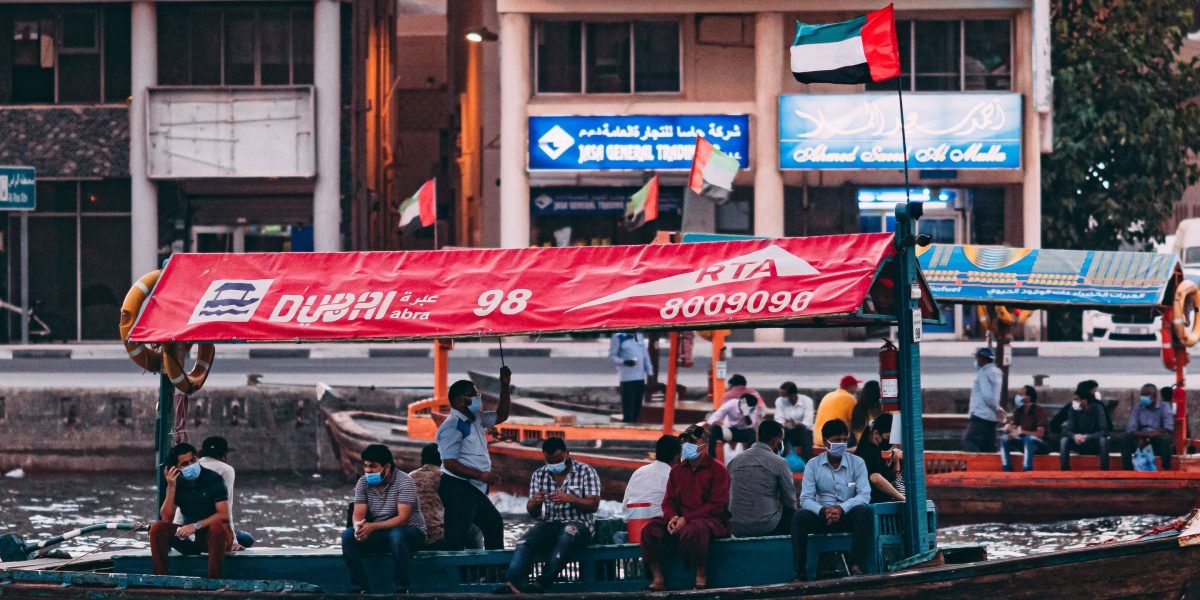
Today, the RTA runs a well-organized network of abra routes. The most famous one for visitors is the CR1 route. It goes from Bur Dubai Abra Station to Deira Old Souq Abra Station and back. The trip costs just AED 1 per person. You pay cash to the driver before you step off. The boats run from 6:00 am until midnight. The trip takes about five minutes, but it feels like a journey into old Dubai.
There is also a 24-hour route (CR2) from Dubai Old Souq Station to Al Sabkha Abra Station.
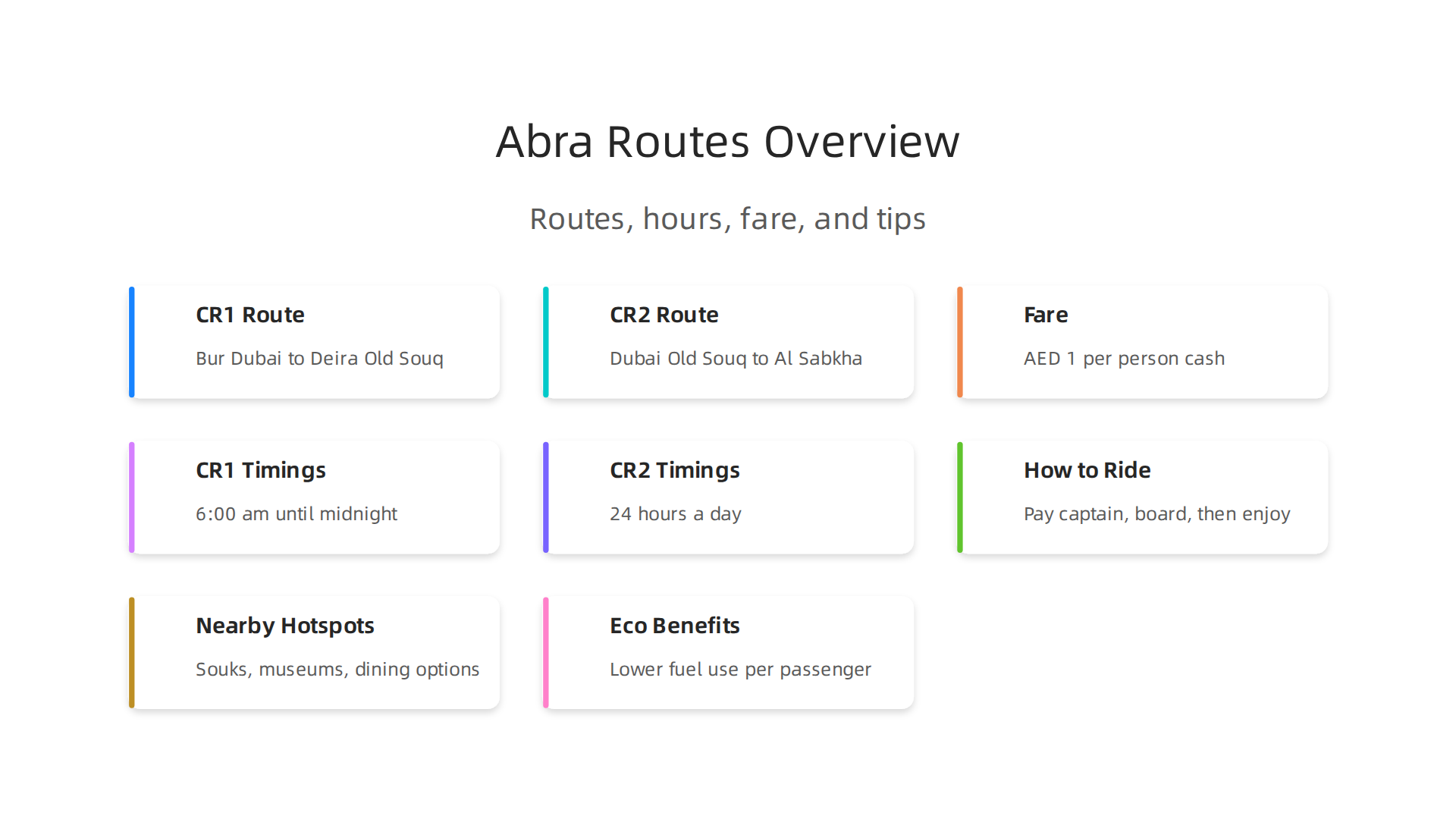
That one is great for late-night explorers. These routes are still the cheapest and most genuine way to see the creek. The Roads and Transport Authority — the same body that runs the metro and buses — manages all of them. You can check the official RTA page for up to date information on schedules and services.
For families thinking about where to live in Dubai, this kind of connectivity matters. A home near an abra station means you can reach the old souks, restaurants like Karam Beirut Dubai Mall and Toshi Dubai, and the cultural heart of the city without a car. It is one more reason to look at communities close to the creek or well connected by water transport. If you are exploring villa options, take a look at our full guide to villas for sale in Dubai in 2026 to see which neighborhoods offer the best mix of tradition and modern living.
The abra may be simple, but it connects you to something real. It is a ride you will remember long after you step off.
Key Abra Stations and Their History
The experience starts and ends at the stations that line the creek. Each one has its own story tied to the growth of Bur Dubai. Knowing a little about these stations makes your abra ride even more meaningful.
The most important station on the Bur Dubai side is the Bur Dubai Abra Station, located right next to the historic Al Fahidi neighborhood. This station sits at the edge of the old commercial heart of the city. Before the Maktoum Bridge opened in 1963, this station was where merchants, pearl traders, and families crossed the creek to reach the souks in Deira.
The abra was the only way across, and this station was the busiest spot in Bur Dubai. According to one detailed account of the Dubai Creek history, the abra played a crucial role in moving people and goods between the two shores in the early 1950s when the population was only 50,000. Without these stations, Bur Dubai could not have grown into the commercial hub it became.
Just a short walk from the Bur Dubai station is the Al Fahidi Marine Station. This newer station is named after the nearby Al Fahidi Historical District, one of the oldest neighborhoods in the city. It serves as a modern gateway for visitors exploring the wind towers, museums, and art galleries of old Bur Dubai. The station connects directly to Deira through the CR4 and CR5 routes, making it easy to hop between the two sides.
On the Deira side, the Al Sabkha Marine Station is equally historic. It was a key landing point for goods coming from the creek and helped turn Deira into a bustling market district. Today, it runs the popular 24-hour CR2 route, which is perfect for late-night travelers heading back to Bur Dubai.
These stations are more than just docks. They are living landmarks that show you how Dubai grew from a small fishing village into a global city. If you are considering making your home in a neighborhood that still feels connected to this history, look at communities near the creek. A good place to start is our full Dubai villa buying guide 2026 to see which areas offer the best mix of heritage and modern family life.
And if you want expert help finding a home near the water or anywhere in Dubai, reach out for a FREE Dubai Real Estate Consultation today.
Your abra ride across Dubai Creek drops you right in the middle of the action. From the bur dubai abra station, you can walk to some of the best traditional souks, cultural sites, and restaurants in the city. Here are the top local hotspots you can reach in minutes.
Traditional Souks
First up are the traditional souks. The Gold Souk and Spice Souk are must-visit spots. You can find everything from gold jewelry to saffron and dried lemons. These markets have been around for decades and still buzz with energy every day. The Textile Souk is also nearby, where you can buy fabrics, pashminas, and souvenirs. A good Old Dubai travel guide can help you plan your route through these busy lanes.
Cultural Venues
Just a short walk from the bur dubai abra station is the Al Fahidi Historical District. This neighborhood shows you what Dubai looked like before the skyscrapers. You can visit the Dubai Museum at Al Fahidi Fort and learn about the city’s pearl diving days. The Arabian Tea House is a peaceful stop for mint tea and dates. The What to Do in Old Dubai guide from Condé Nast Traveler lists these as top things to see.
Dining Options Along the Creek
When you get hungry, Bur Dubai has amazing food choices. The Arabian Tea House serves local Emirati dishes. For Indian food, try Govindas Bur Dubai. If you want Lebanese, visit Karam Beirut Dubai Mall. For Japanese, Toshi Dubai is a popular pick. Many restaurants sit right along the creek, giving you water views as you eat. A Bur Dubai area guide from Visit Dubai highlights many of these dining options.
Exploring these spots by abra is the best way to feel the real heartbeat of old Dubai. If you love the energy of creek-side living and want to make it your home, you might want to look at villas near the water. Check out our luxury Dubai real estate 2026 to see top communities close to these historic areas. Connect with us for a FREE Dubai Real Estate Consultation today.
Practical Guide: How to Use the Abra
Now let’s talk about actually hopping on board. The bur dubai abra station is easy to find. It sits right on Dubai Creek near the Al Fahidi Historical District. You can walk there from the Textile Souk in about three minutes. Look for the small wooden pier where the traditional wooden boats line up.
How to Buy Your Ticket
Here is the simple part. You do not need a special card or a smartphone app. Just bring cash. The fare for a traditional abra is AED 1 per person for a single trip. You pay the captain directly as you board. That is less than 30 US cents for a ride across the creek. The trip takes about five minutes, and boats leave every few minutes. There are two main traditional routes. The CR1 route runs between the Bur Dubai Abra Station and the Deira Old Souk Abra Station from 6 am to midnight. The CR2 route runs 24 hours a day between the Dubai Old Souk Station and Al Sabkha. You can check all the latest abra routes, timings, and fares on the RTA website.
Tips for First-Time Riders
Here are a few things to keep in mind. Sit down as soon as you step on the boat. The captain will balance the weight on each side. Do not stand up during the ride. Keep your phone and camera secure, but yes, you can take photos. The views of the creek are beautiful, especially around sunset. If you want a longer ride, you can book a private abra for AED 60 for 30 minutes or AED 120 for one hour. That is a great option for a group or a special photo session.
What to Do After Your Ride
When you step off at the Deira Old Souk station, you are steps away from the Gold Souk and Spice Souk. If you want to explore the other side again, just hop on the next boat heading back. The abra is not just transport. It is part of the experience. Many travelers say it is the most authentic thing you can do in Dubai. After you have explored both sides of the creek, you might start thinking about how nice it would be to live near the water full time. If that thought crosses your mind, take a look at our guide to villas for sale in Dubai 2026 to see top oasis communities with easy access to the creek.
How Abra Commuting Complements Villa Living in Oasis Communities
Living in a villa community doesn’t mean giving up the charm of old Dubai. Many of the top villa communities are just a short drive from the creek. The bur dubai abra station becomes your gateway to both worlds. You get the peace of a suburban home and the soul of the historic waterfront in minutes.
Proximity to Abra Stations
Several luxury villa neighborhoods sit close enough to make abra commuting an easy habit. Communities like Dubai Hills Estate, Arabian Ranches, and Al Barari are within 15 to 25 minutes of the creek by car. Even one of the newest nature-led communities, The Wilds by Aldar in Dubailand, is only about 20 minutes from Downtown Dubai and the creek area. That means you can leave your villa, drive to the bur dubai abra station, park, and be on the water in no time.
For families, this proximity is a gift. Kids love the short boat ride, and parents appreciate avoiding the traffic of Sheikh Zayed Road.

You can check out the latest luxury villa communities in our guide to luxury villas in Al Barari and The Oasis communities.
Real-Life Case Study: The Weekend Abra Commuter
Meet Ahmed. He lives with his family in a three-bedroom villa in Arabian Ranches. Every Friday morning, he drives ten minutes to the bur dubai abra station. He boards the abra for AED 1 and crosses the creek. On the Deira side, he visits the Gold Souk for small purchases and stops for lunch at Govinda’s Bur Dubai for authentic vegetarian thalis. Sometimes his family meets him later for dinner at Karam Beirut at Dubai Mall, a short taxi ride from the Deira side. Other weekends they explore Toshi Dubai for Japanese comfort food near the creek. The abra makes all of this feel connected and easy.
Ahmed says the best part is the calm. The five-minute ride gives him time to reset between the quiet villa life and the energy of old Dubai. He does not miss sitting in traffic on the highway.
If you want a lifestyle that blends villa privacy with authentic waterfront experiences, start exploring your options. You can get a FREE Dubai Real Estate Consultation to find villa communities with easy access to the creek and everything it offers.
Insider Tips for a Premium Abra Experience
You have a villa near the creek and you know the bur dubai abra station is just a short drive away. But how do you turn a simple boat ride into something special? Here are a few insider tips.
Best Times to Ride
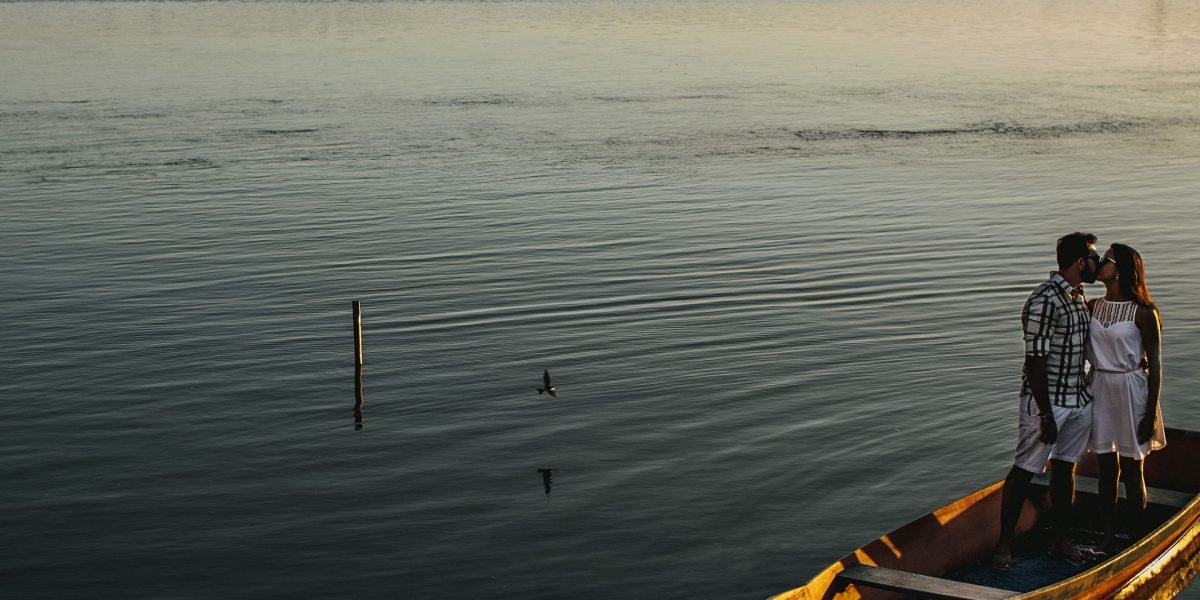
The abra is lovely at any hour, but sunset is pure magic. The sky turns orange and pink, and the old buildings along the creek light up. The water gets calm, and the whole experience feels like a postcard.
Weekends see more abra traffic, but that also means more energy and street food smells from the Deira side. If you want a quieter ride, go on a weekday early evening. The official Dubai tourism site recommends an abra ride as a must-do activity to experience the city’s roots, and sunset makes it unforgettable. You can check out the official guide to Bur Dubai area for more ideas on what to do near the creek.
Private Abra Charters for Special Occasions
Did you know you can book a private abra for a party or a romantic evening? It is not as expensive as you might think. You get the whole boat to yourself, your own route, and sometimes even a cooler with snacks. Some companies offer themed cruises with traditional music or dinner options. This is perfect for a birthday, an anniversary, or a family gathering. Imagine celebrating while drifting past the old souks under the stars.
If you are thinking of buying a villa near the creek to make these experiences part of your everyday life, it helps to know the best communities. Reading a Dubai villa buying guide for families can show you which neighborhoods give you easy access to the station and the premium abra lifestyle.
Deira Connections: Exploring the Other Side by Abra
Your villa near the creek puts you close to the bur dubai abra station, but the real adventure starts when you cross to the other side. Deira is where old Dubai comes alive. The abra is the fastest and most charming way to get there.
The main route from Bur Dubai Abra Station to Deira Old Souq Station takes only about five minutes. For just one dirham, you step off the boat into a completely different world. The traditional abras on this route run from 6 a.m. to midnight, according to the A Guide to Abra Dubai: Timing & Stations from Property Finder. A boat departs every few minutes, so you never wait long.
Once you arrive in Deira, the first stop is the Gold Souk. This world famous market has hundreds of shops selling gold, diamonds, and precious gems. You do not need to be a buyer to enjoy the glittering window displays. A short walk from the souk brings you to the Spice Souk, where the air is thick with the scent of saffron, cinnamon, and dried limes.
For a more local shopping experience, head to Naif Souk. This lively market is popular with residents for clothing, electronics, and household goods at bargain prices. It is much less touristy than the Gold Souk and gives you a real feel for daily life in Deira. The area around Naif Souk also has small cafes where you can sit for a cup of karak chai and watch the world go by.
Crossing the creek by abra is not just a shortcut. It is a genuine cultural experience. The Abra Creek Crossing page on the official Dubai tourism site calls it a must-do activity for anyone wanting to understand the city’s heritage.
If you are thinking of making Dubai your home so you can enjoy these water crossings regularly, it helps to have expert guidance. You can book a FREE Dubai Real Estate Consultation to explore villa options near the creek or in any neighborhood across the city. And if you want to explore premium communities with water access, reading about luxury villas in Dubai’s oasis communities can help you find the perfect spot.
Sustainability and the Abra: Eco-Friendly Urban Commuting
When you think about your carbon footprint, hopping into a car might not feel great. But climbing onto a bur dubai abra is a different story. These traditional wooden boats are one of the most eco-friendly ways to move around the city.
Compared to taxis and private cars, abras use much less fuel per passenger. Each boat carries up to 20 people across the creek, cutting down on traffic and emissions at the same time. The outboard motors are small and efficient, and the short crossing keeps energy use low. It is a perfect example of old technology solving modern problems.
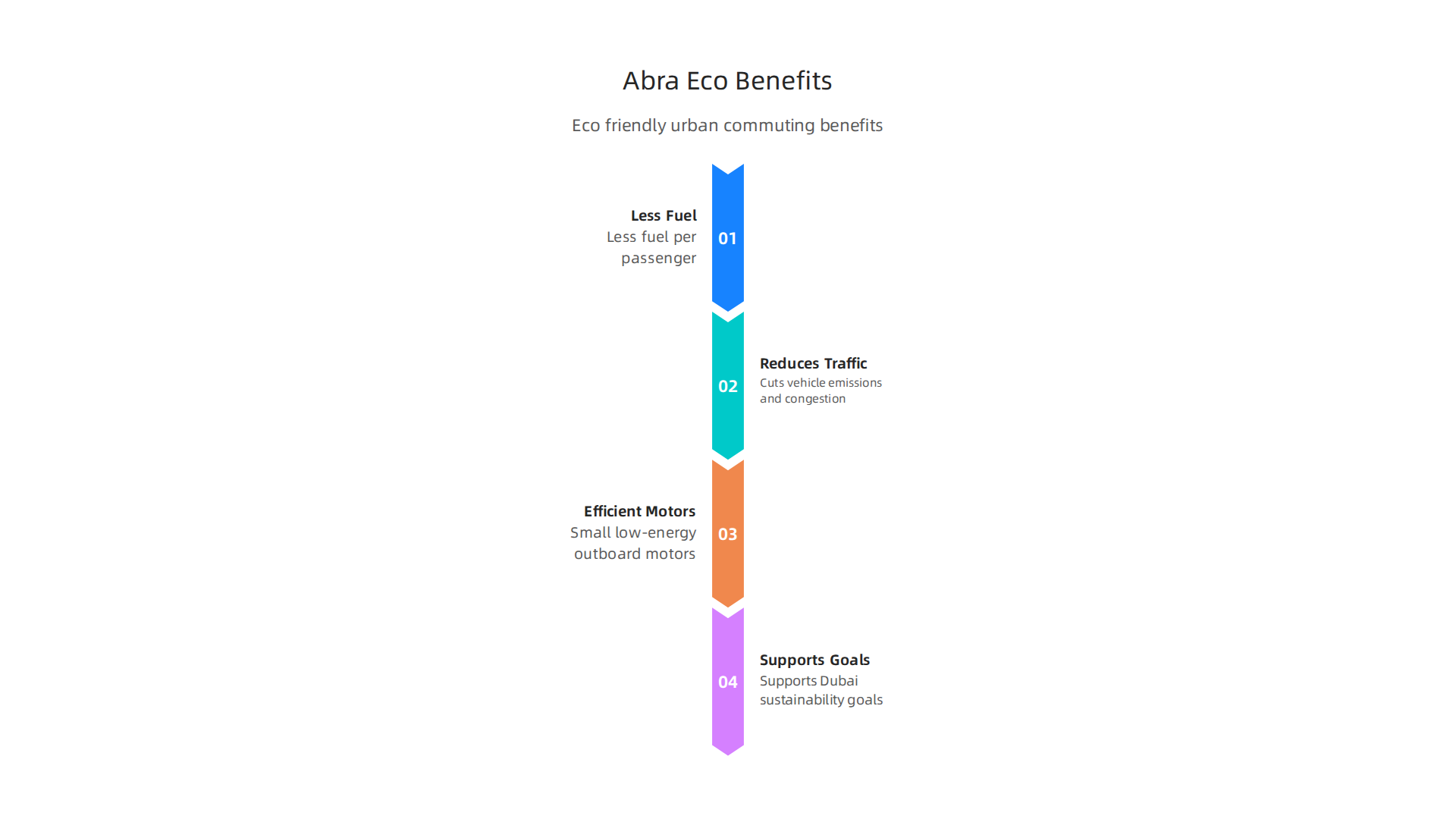
Dubai has big goals when it comes to sustainability. The city is building entire communities with green living in mind. For example, places like Al Barari are designed as integrated luxury and eco-conscious developments. They use native plants, energy saving designs, and encourage walking over driving. This same thinking is behind the push to keep the abra running. The Roads and Transport Authority (RTA) has been upgrading abras with cleaner engines and adding more stations to make water transport easier to use.
The abra is not just a tourist ride. It is a real part of Dubai’s public transport network. Every time you take an abra instead of a car, you help reduce pollution. And the best part? It costs just one dirham and gives you a front row seat to the city’s history.
After your sustainable abra ride, you can stay in Bur Dubai and enjoy the local food scene. Stop by Govindas Bur Dubai for vegetarian Indian dishes, or try Lebanese classics at Karam Beirut Dubai Mall. If you are in the mood for Japanese, Toshi Dubai has excellent sushi.
If you love the idea of living in a city that cares about green transport and sustainable communities, you might want to explore your options. Check out this guide to oasis communities and sustainable living to see how Dubai blends luxury with eco friendly design.
Summary
The Bur Dubai abra is a short, historic water taxi ride across Dubai Creek that connects Bur Dubai and Deira while offering a direct window into the city’s heritage. This article explains the abra’s history, key stations like Bur Dubai and Al Sabkha, main routes (CR1 and 24-hour CR2), low fares (AED 1), and simple boarding and payment steps. It highlights nearby attractions—traditional souks, Al Fahidi Historical District, and creekside restaurants—and gives practical tips for first-time riders, private charters, and the best times to go. The guide also shows how abra access enhances villa living by linking oasis communities to Old Dubai and outlines the abra’s sustainability benefits as an efficient, low-emission transport option. Readers will finish knowing where to catch an abra, what to expect during the trip, how it fits into family or investor lifestyle decisions, and where to learn more about villas near the creek.